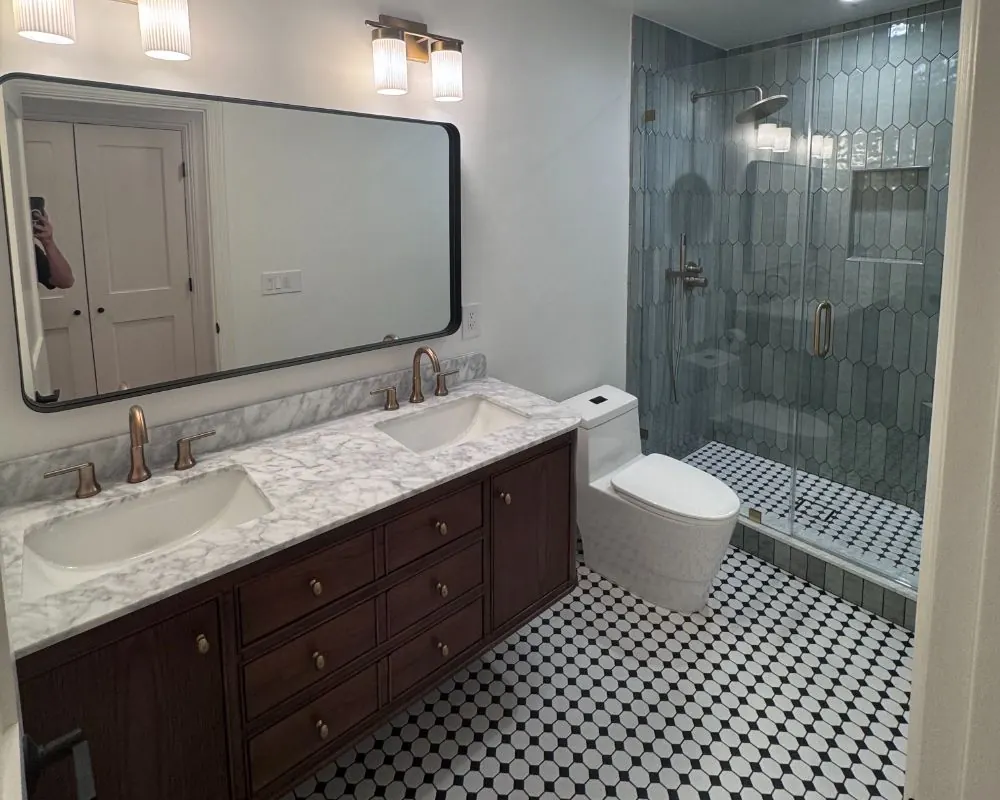
Culver City prefab ADUs
Installing Prefab ADUs on Culver City Lots
Factory-built ADUs show up mostly finished, but the foundation, utilities, permits and final hookups still happen on your lot. That local half of the project is what we handle in Culver City.
What Prefab Means for a Culver City ADU
Factory-built ADUs come in two broad types. Modular units arrive as finished boxes, sometimes one module and sometimes two or three that join on site. Panelized systems arrive as wall, floor and roof panels that are assembled on the foundation. Either way, the factory controls framing, much of the electrical and plumbing rough-in, and often finishes.
None of that removes the local work. Your lot still needs its own foundation, engineered for the soil it sits on, sewer, water and electrical connections, a building permit from Building Safety and the city inspections that go with it. Manufactured homes and modular buildings are also certified under state programs that set what the local inspector reviews and what the factory inspector already signed off. We coordinate those two sets of approvals so nothing falls through the gap.
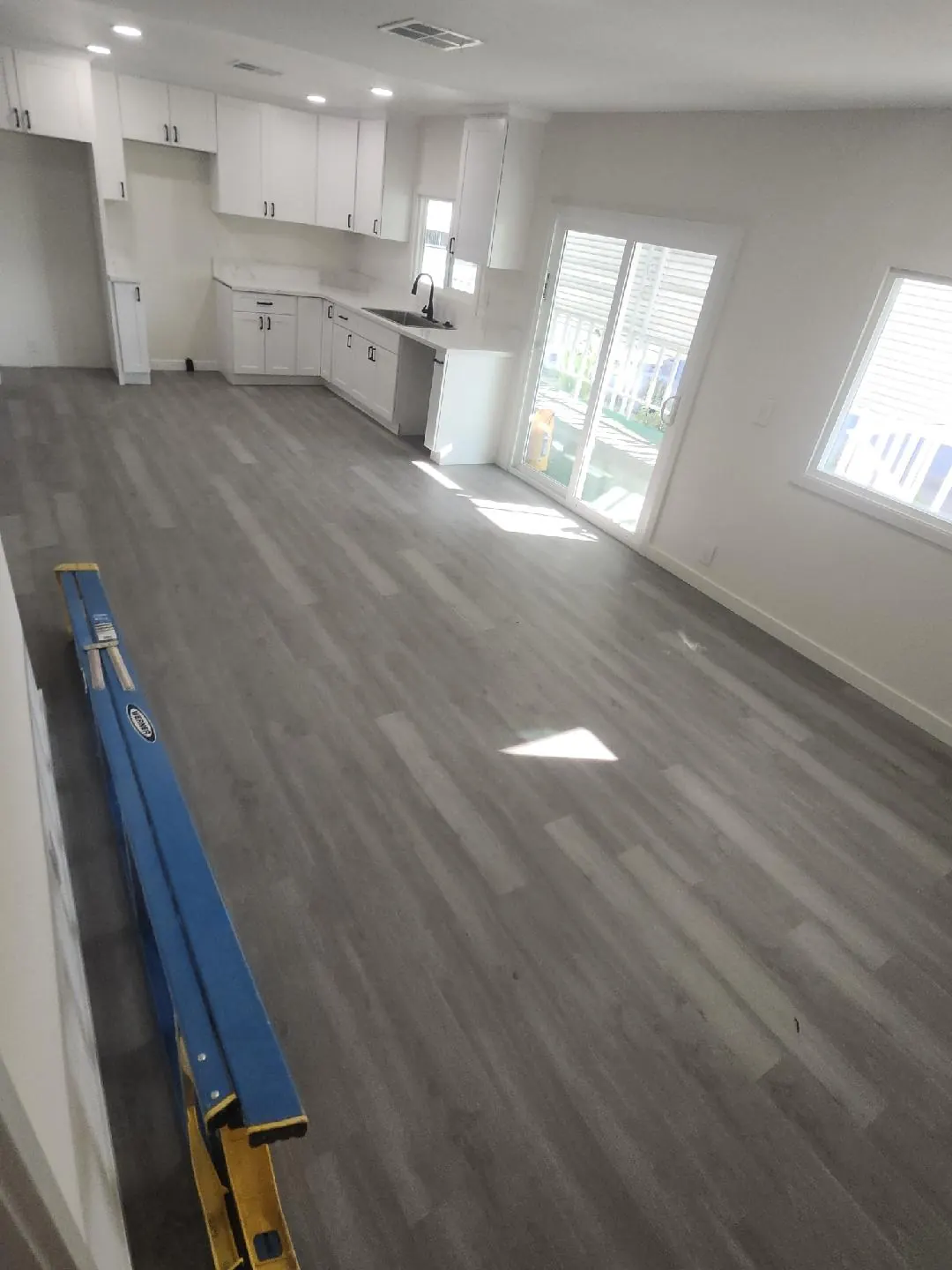
Crane Day: Prefab ADU Delivery on Culver City Streets
The delivery day decides more prefab projects in Culver City than the floor plan does. Modules come in on a flatbed, and a crane swings them over or beside the house into the yard. That requires room on the street for the truck and crane, a clear path over or beside the house, and no overhead lines in the way. Many neighborhoods have mature street trees, power lines along the rear or side of lots and narrow residential streets, all of which affect the lift.
Hillside streets in Blair Hills and Culver Crest add grade, curves and limited staging space. In those areas, a panelized system carried in by hand, or a site-built unit, is sometimes more practical than a large module. A street use or encroachment permit from Public Works may be needed for the crane day, and we plan that during permitting.
We assess access before you sign with a factory. It is much easier to pick a system that fits the street than to rework a delivery plan after the unit is built.
Foundations and Utilities for Prefab Units
Every prefab unit sits on a site-built foundation. Depending on the system and the soil, that might be a slab on grade, a perimeter footing with a raised floor, or piers. On sloped lots, the foundation can be the largest share of site work, with stepped footings or a retaining wall to create a level pad.
Utility work is the same as for a site-built ADU. We confirm whether the address gets water from LADWP or Golden State Water, size the service, run a sewer line to the main lateral and check whether the electrical panel needs an upgrade with Southern California Edison. The trenches and stub-ups are placed before delivery so the unit can be connected within days of being set.
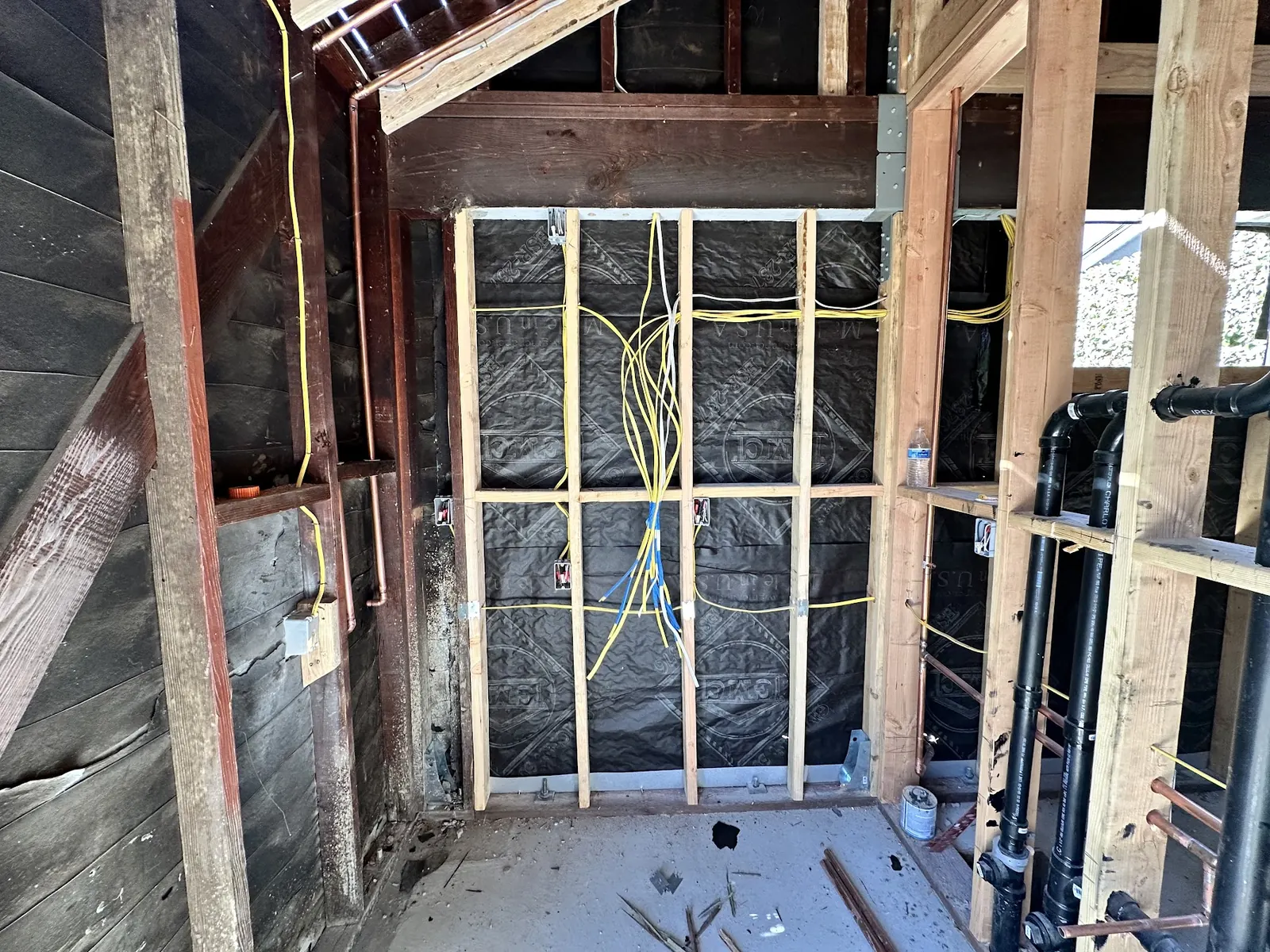
Prefab ADU Permits and the PRADU Alternative
Culver City also runs its own pre-approved ADU program, which is a different idea from factory construction. The PRADU plans are site-built designs in three sizes and three styles that the city has already reviewed. For some owners, a PRADU built by a local crew offers the speed of a pre-reviewed design without the delivery constraints of a modular box.
For a factory unit, the permit set combines the manufacturer's approved drawings with our site plan, foundation design, utility plan and any fire-zone details. The state clocks still run: 15 business days to rule on completeness, then 60 more days to decide once the file is whole. In Ladera Heights or View Park-Windsor Hills, the same package goes to Los Angeles County instead.
What a Prefab ADU Offers Culver City Owners
Shorter Construction Time on Site
With the building produced in a factory while foundations and utilities go in on site, the noisy, messy part of construction in your yard can be compressed into a shorter window.
Predictable Prefab Finishes
Factory units usually come with set finish packages. Choosing from a defined list makes decisions faster and keeps the scope clear before construction starts.
Factory Quality Control for Prefab Units
Framing and rough-in done indoors stay dry and are inspected on the production line. That consistency appeals to owners who want fewer variables in the build.
Local Site Work and Permits Handled
We take care of the part a factory cannot: soils, foundation, utility trenching, permits with Culver City, crane day logistics and final inspection.
Prefab ADUs: Build and Finish Photos
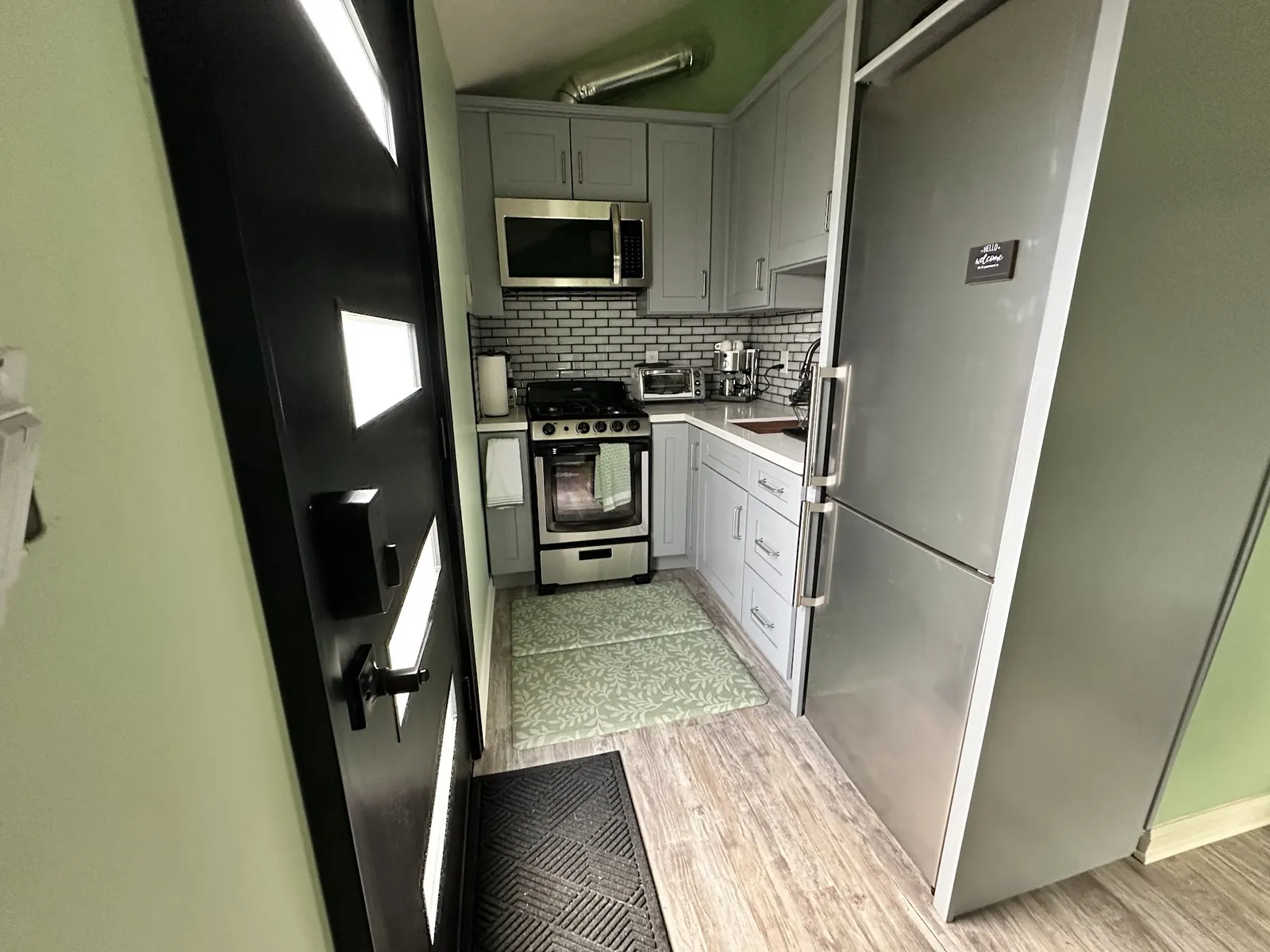
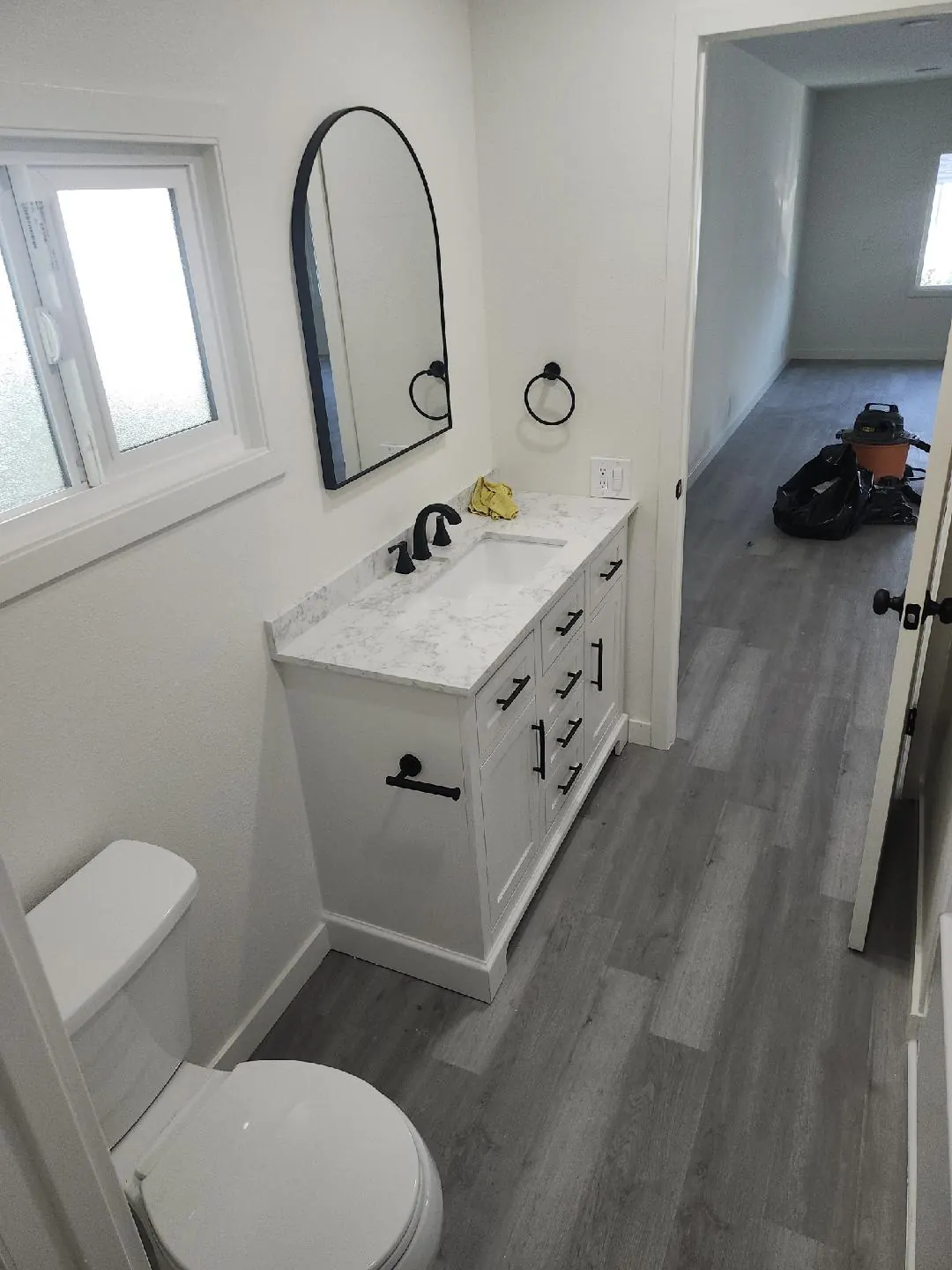
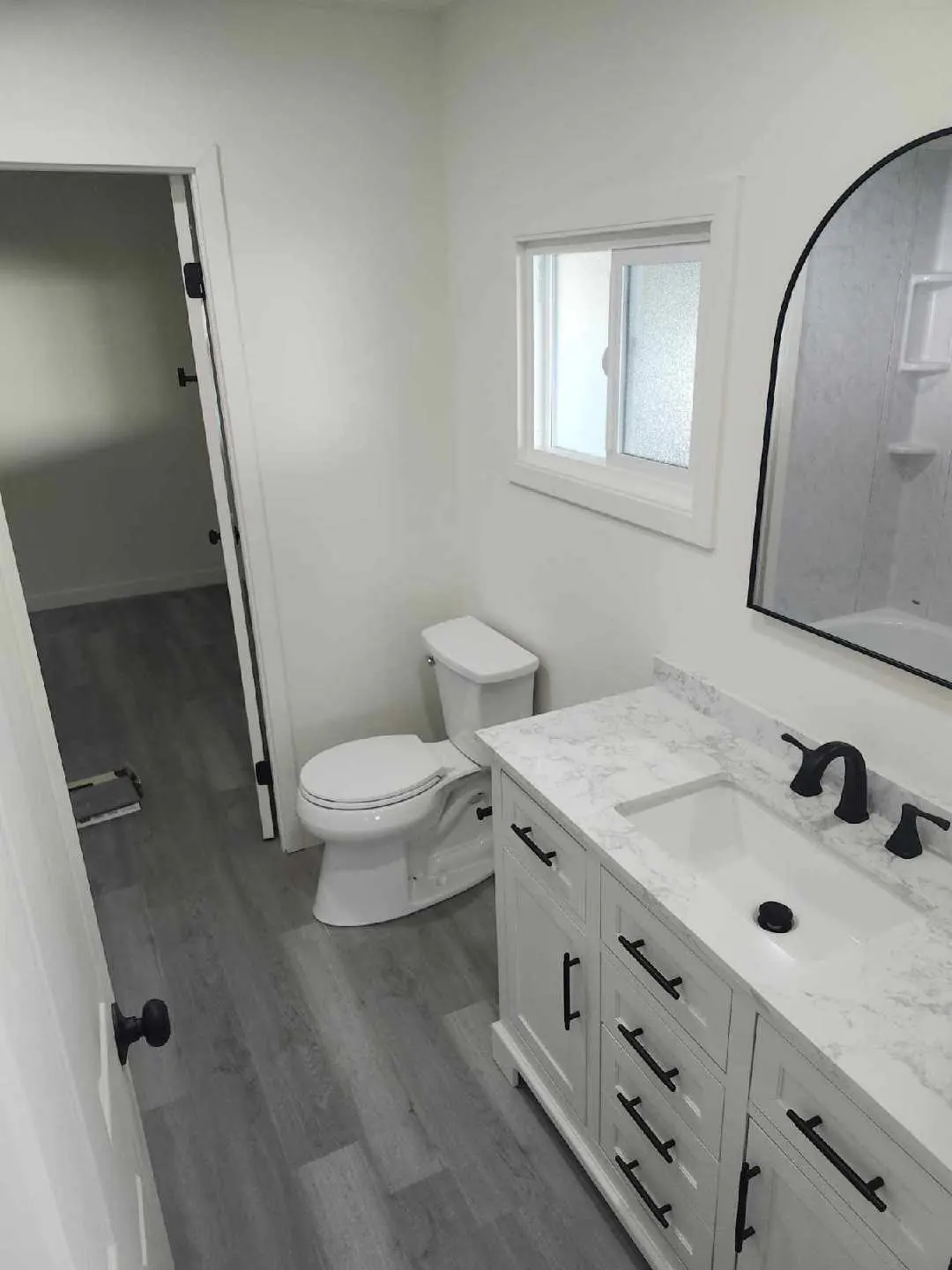
Prefab ADU Installation Across Culver City
FAQs
Prefab ADU Questions in Culver City
Does going prefab lower the total cost of a Culver City ADU?
Not necessarily. The factory price covers only the unit. Foundation, utilities, delivery, crane, permits and finish work on site add to it, and a difficult crane lift can erase any savings. We compare both routes for your lot.
Does a prefab ADU still need a Culver City building permit?
Yes. A factory-built ADU needs the same zoning review from Current Planning and a building permit from Building Safety, along with city inspections of the foundation and utility connections.
Can a prefab ADU be installed on a hillside lot?
Sometimes. The foundation has to create a level base, and the crane needs a workable path. Panelized systems or site-built units are often easier on steep or tight hillside lots.
Can a prefab ADU be built in the Blair Hills fire zone?
Yes, as long as the unit meets the fire-resistant construction requirements for a Very High Fire Hazard Severity Zone. Not every factory model is built to those standards, so we check before you choose one.
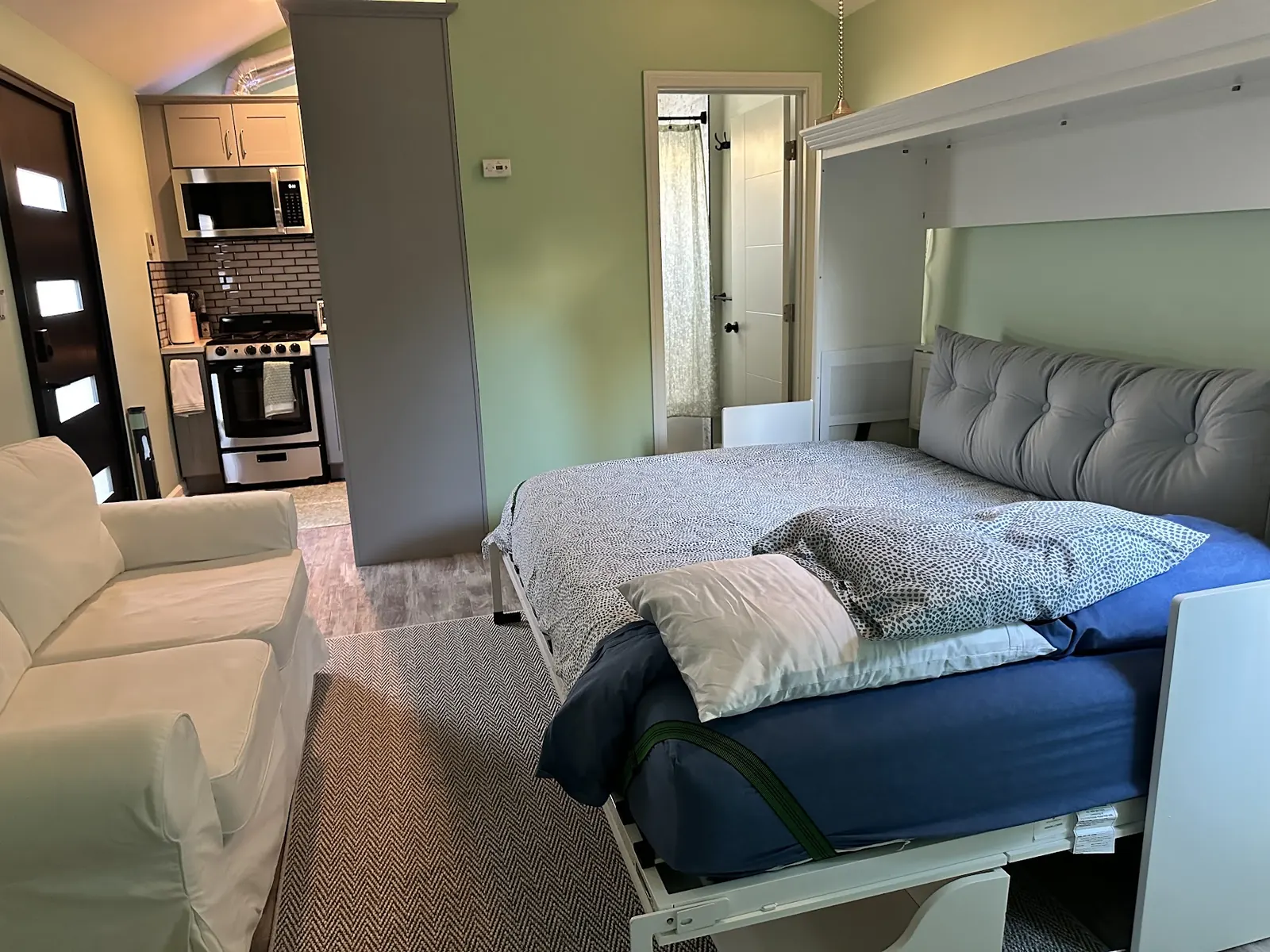
ADU consultation
Plan a Prefab ADU Installation in Culver City
Tell us about your lot, the street in front and the kind of factory unit you have in mind. We follow up within 24 hours to review access and site work.
- Design
- Permits
- Construction